

The Evolution of Art: From Cave Paintings to Masterpieces
Chapter 1: The Birth of Expression
Take a peek into the very beginning of art, where ancient folks painted stories on cave walls and pottery. Imagine the mystery of the Lascaux cave paintings, the tales told on Egyptian tombs, and the lively pictures on Minoan walls. Meet the artists who, without names, created the first visual language, connecting us to nature and spirituality.


Chapter 2: The Renaissance Resurgence
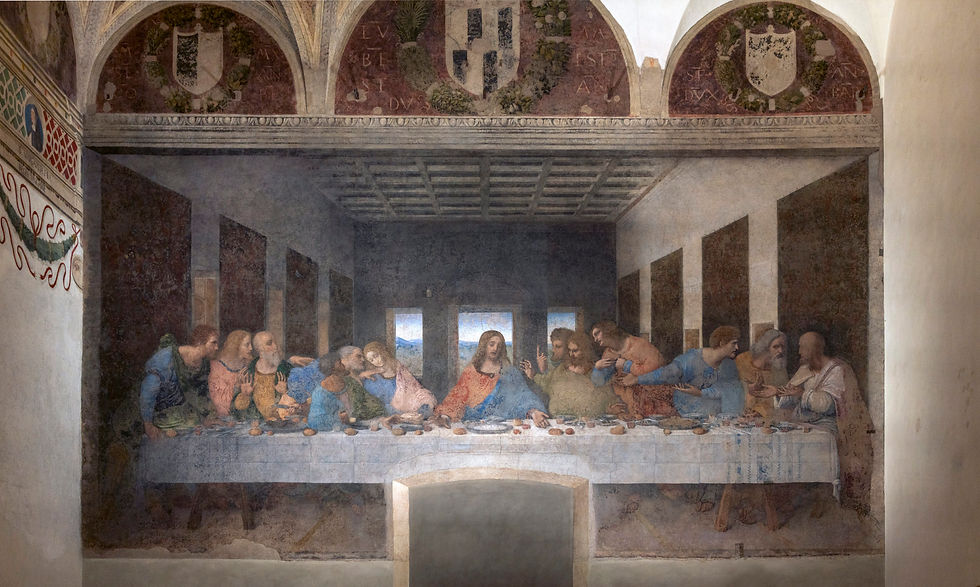
Enter a time of rebirth and incredible art. Leonardo da Vinci, the super-smart artist, painted the famous Mona Lisa and The Last Supper. Michelangelo, who was a sculptor and painter, made the amazing Statue of David and the ceiling in the Sistine Chapel. Raphael, the harmony master, gave us The School of Athens. The Renaissance was a magical time where art and science became best friends.

Chapter 3: The Colors of Impressionism
Walk into sunlit landscapes with Impressionism, a rebel art style. Claude Monet's Water Lilies and Haystacks, Pierre-Auguste Renoir's lively scenes of Paris, and Edgar Degas' ballet dancers changed how we see art. The loose brushstrokes and focus on what's happening right now made Impressionism a breath of fresh air, breaking old art rules.

Chapter 4: Abstract Expressions
Travel to the 1900s, a time of big changes in art. Picasso, the art genius, broke things into pieces with Cubism, like in Les Demoiselles d'Avignon. Kandinsky, an abstract art hero, mixed colors and shapes in paintings like Composition VII. Artists like Jackson Pollock took art in a wild direction with "drip paintings," where emotions and spontaneity ruled.

Chapter 5: Contemporary Canvases
Step into today's world of art, where everything mixes up in a colorful celebration. Banksy, a street art star, uses walls for social messages. Hyper-realists like Chuck Close paint so precisely it looks like a photo. The digital age brings new ways to make art, blurring the line between traditional and tech. Contemporary art reflects our complex world, inviting us to think, feel, and see art in fresh ways.
This journey through art history is like a story told with paint, each period adding a special color to the big canvas of human creativity.
Comments